Guide
What Makes Web Design Effective?
David Leon Engelmann · September 25, 2026 · 8 min read
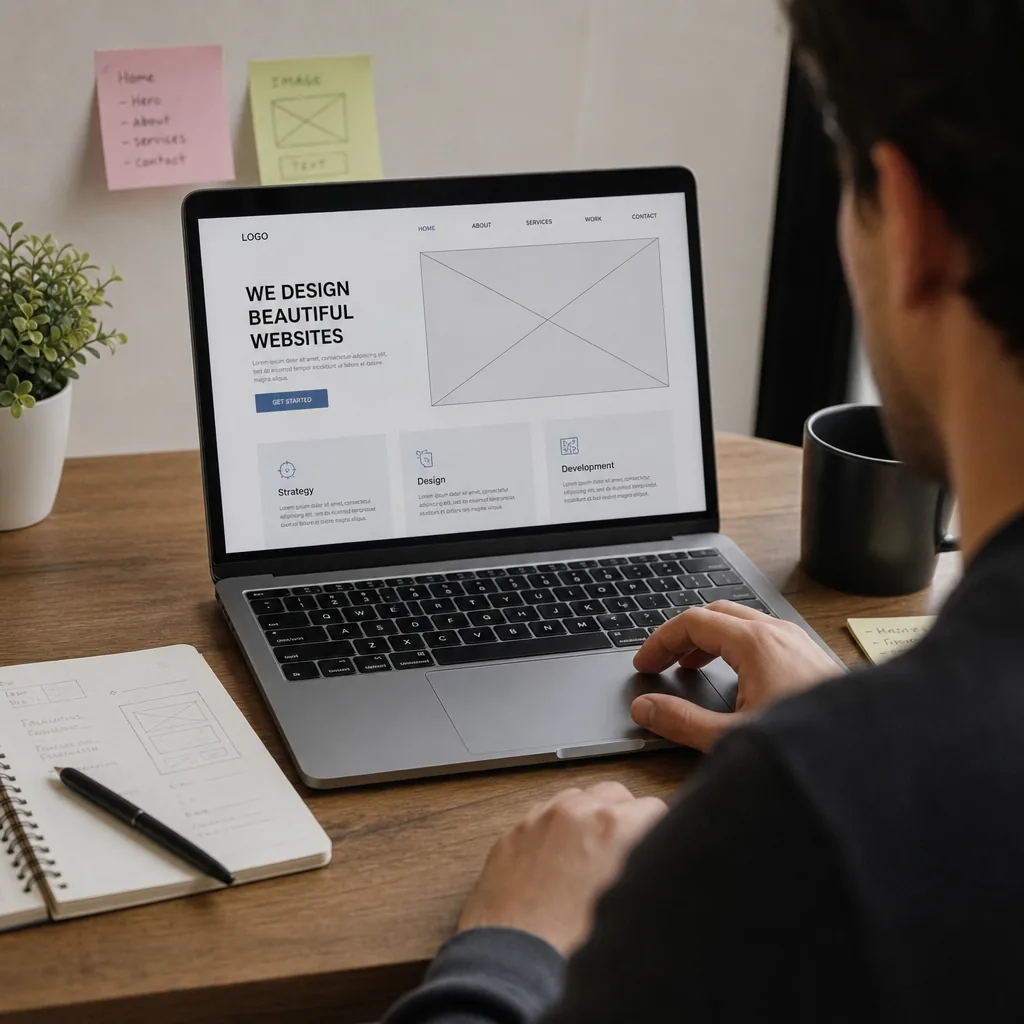
Effective web design is the practice of shaping a website so it looks credible, feels intuitive, loads smoothly, and helps visitors take the next useful step. It connects strategy, content, layout, visual identity, usability, accessibility, and technical performance into one experience. Whether you are building a new site, refreshing an outdated one, or preparing to work with a website design agency, the strongest results come from decisions that serve both users and business goals.
What makes web design effective?
Effective web design makes a visitor understand where they are, what they can do, and why they should trust the brand within moments. It is not only about attractive colors or modern animations; it is about clarity, usefulness, and consistency across every page. A well-designed site reduces friction, supports search visibility, and gives sales, marketing, and customer support teams a stronger digital foundation.
The best websites usually share five core components:
- Content: Clear messaging, helpful page copy, strong calls to action, and media that supports the user’s decision.
- Layout: A page structure that guides attention from the most important information to the next logical action.
- Navigation: Menus, links, filters, and page paths that make the site easy to explore without confusion.
- Visual style: Typography, color, spacing, imagery, and brand elements that create the right impression.
- Function: Fast loading, mobile usability, forms, integrations, accessibility, security, and technical reliability.
When one of these areas is weak, the whole experience suffers. A beautiful website with slow pages may lose impatient visitors. A fast website with confusing navigation may bury important services. A strong design balances all of these elements instead of treating them as separate tasks.
User-centered design turns pages into experiences
A user-centered website begins with the visitor’s needs, not with internal preferences. Before choosing a layout or visual direction, clarify who the audience is, what they came to do, what information they need, and what could stop them from acting. This approach is especially important for businesses comparing a DIY builder with a professional web design agency or web development studio.
Good user-centered design removes unnecessary effort. Service pages should answer practical questions before asking for contact details. Product pages should make options, benefits, and next steps easy to compare. Contact pages should not hide phone numbers, forms, maps, or expected response times behind decorative design.
A practical planning checklist includes:
- Define the main conversion goal for each page, such as booking a call, requesting a quote, buying a product, or reading a guide.
- Map the visitor’s journey from first impression to decision, including the doubts they may have along the way.
- Prioritize essential information above nice-to-have content, especially on mobile screens.
- Use plain labels in navigation, buttons, and forms so users do not have to interpret clever wording.
- Test real behavior after launch through analytics, heatmaps, form completion rates, and user feedback.
This does not mean every website must look simple or conservative. It means every creative choice should have a reason. Bold visuals, interactive elements, and distinctive layouts can work well when they help users understand the brand and complete their goals.
Visual hierarchy guides attention
Visual hierarchy is the way a page signals what matters most. Size, contrast, spacing, alignment, color, and placement all tell the eye where to look first, second, and third. Without hierarchy, visitors face a wall of equal-looking information and may miss the action you want them to take.
A strong homepage, for example, usually needs a clear headline, a supporting sentence, a primary call to action, and enough visual breathing room to make the message feel confident. Interior pages need the same discipline. Headings should break ideas into meaningful sections, images should support the text, and buttons should stand out without overwhelming the design.
White space is often misunderstood as empty space. In reality, it creates focus. It separates ideas, improves readability, and makes a website feel more polished. Contrast matters too: text must be readable, calls to action should be easy to identify, and key messages should not compete with busy backgrounds.
Different design styles can express different brand positions. Minimalism can feel efficient and premium when the content is strong. Editorial layouts can work well for content-heavy brands that need storytelling. Brutalist or highly experimental approaches can create memorability, but they should be used carefully because novelty can quickly become confusing if usability is ignored.
How do web design and web development work together?
Web design defines the experience a user sees and feels, while web development builds the systems that make that experience function. Design covers structure, visual direction, interaction patterns, content presentation, and usability. Development turns those decisions into responsive pages, secure code, CMS functionality, integrations, performance optimization, and custom features.
The two disciplines overlap more than many people expect. A designer may plan a booking flow, but a developer must ensure it works smoothly across browsers, devices, and business systems. A developer may build a fast, flexible platform, but the site still needs clear page structure and persuasive content to convert visitors.
This is where choosing the right web development company matters. If your site only needs a simple marketing presence, a smaller web page design company or focused web design agency may be enough. If your website must connect to internal tools, user accounts, dashboards, inventory systems, or complex workflows, you may need a partner with custom software development capability as well as design skill.
A useful way to think about the relationship is:
| Area | Design focus | Development focus |
|---|---|---|
| Homepage | Message, hierarchy, layout, visuals | Responsive build, CMS sections, performance |
| Navigation | Labels, structure, user paths | Menus, search, filters, accessibility |
| Forms | Fields, clarity, error states | Validation, security, integrations, notifications |
| Mobile | Thumb-friendly layout, readable content | Breakpoints, speed, device testing |
| Growth | Landing pages, conversion improvements | Analytics setup, scalable components, technical SEO |
The best outcomes happen when design and development are planned together rather than handed off as disconnected stages.
Responsive, accessible, and fast sites earn trust
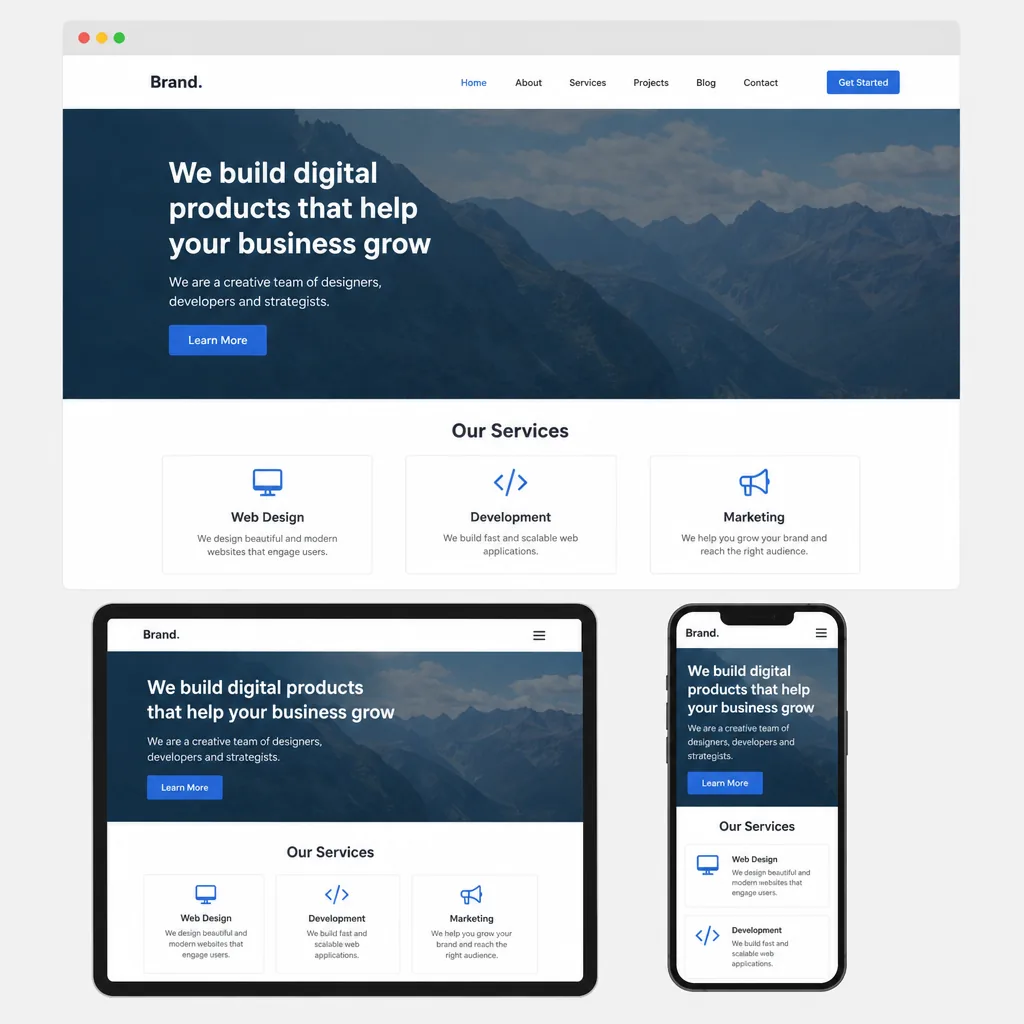
Modern web design must work across phones, tablets, laptops, and large screens. A responsive layout adapts content and functionality to each device instead of shrinking a desktop page until it becomes difficult to use. Mobile-first thinking is often helpful because it forces teams to prioritize the essentials.
Speed is also a design issue, not only a technical issue. Oversized images, unnecessary scripts, complex animations, and cluttered layouts can slow a page down. Visitors may not know why a site feels frustrating, but they notice delays. A faster site feels more professional and often supports stronger engagement.
Accessibility makes the web usable for more people and improves the quality of the experience for everyone. It includes readable font sizes, sufficient color contrast, alt text for meaningful images, keyboard-friendly navigation, clear form labels, logical heading structure, and transcripts or captions for important audio and video. These practices are not decorative extras; they are part of responsible web design.
Search visibility also benefits from clear structure. Search engines need crawlable content, meaningful headings, internal links, optimized images, and pages that load reliably. SEO-friendly design does not mean forcing keywords into every block. It means building pages that are useful, organized, technically sound, and easy for both humans and search systems to understand.
Design choices should support business outcomes
A website is often the place where interest becomes action. That action might be a purchase, inquiry, application, booking, download, or subscription. Effective design makes the desired action obvious while still respecting the visitor’s need for information and confidence.
For a service business, that may mean placing proof points, process details, and contact options where users naturally look for reassurance. For an online store, it may mean clean product filters, strong photography, clear pricing, and a checkout process with minimal distractions. For a company offering technical services, it may mean explaining complex capabilities in language buyers can understand.
Calls to action should be specific and placed at natural decision points. “Contact us” can work, but “Request a project estimate” or “Schedule a consultation” often gives users a clearer expectation. Supporting content around the CTA should answer the question, “Why should I do this now, and what happens next?”
The same principle applies to local and regional searches. A business looking for web design Tbilisi, for example, may not only want a visually appealing site; it may need a partner who understands local markets, multilingual content, regional search behavior, and the technical standards expected by international customers.
How should you choose a web design partner?
Choose a web design partner by looking beyond portfolio screenshots and asking how they think, plan, build, test, and improve websites after launch. A polished visual style is valuable, but it should be supported by research, content strategy, responsive development, accessibility awareness, and measurable goals. The right partner should help you make decisions, not simply decorate pages.
When comparing a website development company, web development company, or creative web design agency, review how they approach both strategy and execution. Ask whether they can explain their process in plain language. Look for evidence that they understand user journeys, technical performance, content structure, and long-term maintenance.
Useful questions include:
- How do you define the goals and audience for each page?
- What do you need from our team before design begins?
- How do you handle mobile, accessibility, and page speed?
- Can the website scale as our content, services, or software needs grow?
- Who owns the design files, content, code, and accounts after launch?
- How do you test forms, navigation, browser behavior, and analytics?
- Do you provide ongoing support, or only launch delivery?
A good partner will not push every client into the same template. They will recommend the right level of complexity for your goals, budget, timeline, and internal resources.
Ongoing maintenance keeps design effective
A website is not finished forever on launch day. Content becomes outdated, software needs updates, links break, search behavior changes, and user expectations evolve. Regular maintenance protects the investment you made in web design and keeps the site useful over time.
Maintenance should include content reviews, technical updates, speed checks, accessibility improvements, security monitoring, analytics review, and periodic design refinements. Even small updates can make a major difference in how trustworthy a website feels. Current team photos, accurate service descriptions, refreshed case studies, and clear contact details all signal that the business is active and reliable.
The goal is not to redesign constantly. The goal is to keep learning from user behavior and improve the site in focused ways. A well-maintained website can grow with the business instead of becoming a digital brochure that slowly loses relevance.
Key takeaway
Effective web design combines clarity, usability, visual quality, technical strength, and business purpose. It helps visitors understand your offer, trust your brand, and take action without unnecessary friction. Whether you work with a web page design company, a web development studio, or a full-service partner with custom software development expertise, the best results come from treating design as an ongoing strategy rather than a one-time visual project.